

 See My Latest Article on HelloNation
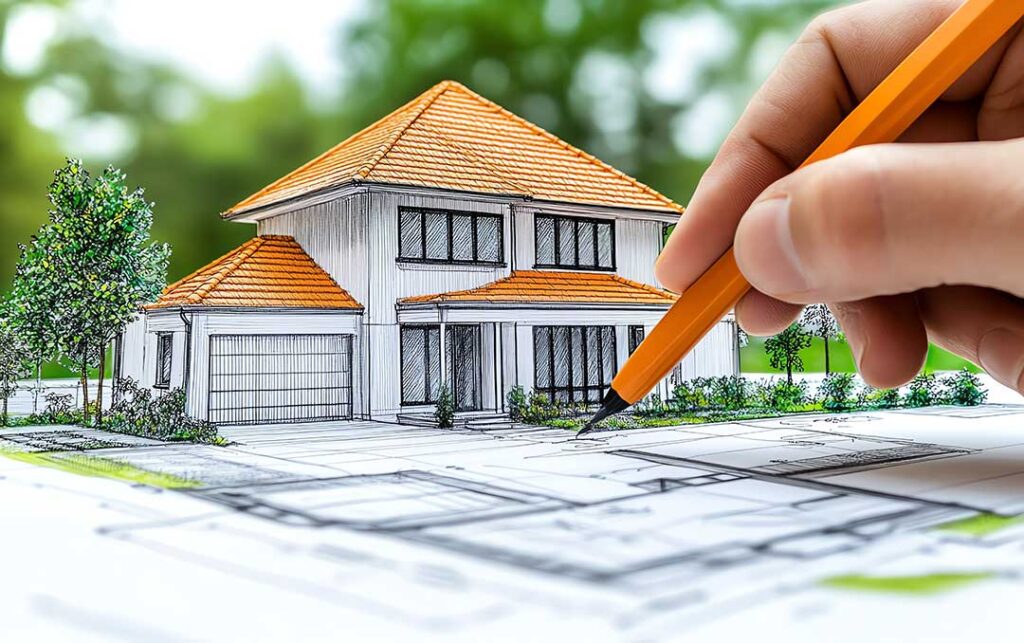
Why Planning Ahead Matters for Home Construction
First-time homebuilders in Midland, TX often underestimate the complexity and range of decisions involved in building a home. Failing to plan well in advance can result in delayed timelines, unanticipated expenses, and regrets about layout or features. It’s especially important in the city, where weather patterns, soil conditions, and local development rules shape homebuilding projects.
Thorough planning means spending time upfront researching what’s needed, sketching out needs, and allowing buffer time for changes in construction or supply availability. Consider local factors such as strong winds, expansive clay soils, and long, hot summers—these affect foundation choices, insulation, and landscaping needs. Waiting until construction starts to resolve these issues leads to higher costs and disruptions.
What Budgeting Mistakes Cause the Most Trouble?
Insufficient budgeting and failing to account for all construction costs are frequent pitfalls. Many first-time builders in the community are surprised by the full range of expenses beyond basic materials and labor.
Common budget oversights include:
- Permit fees and impact fees required by local government
- Utility hookups—especially sewer, water, and electrical in less developed or outlying areas
- Site preparation or remediation if existing soil isn’t stable or needs grading
- Cost overruns due to design changes or fluctuating material prices
It’s smart to pad your initial estimate by at least 10-15% to accommodate these kinds of unexpected expenses. Track every cost and revisit your budget with each change; don’t assume the allowance for finishes or landscaping will stretch as far as you hope.
How Do Climate and Soil Conditions Affect Home Design?
Building in Midland means contending with a semi-arid climate, temperature extremes, and expansive clay soils that can shift and crack. Overlooking these local realities risks structural issues and discomfort down the line.
- Foundations require special attention: unstable soil can cause settling and cracks unless builders choose appropriate foundation systems and moisture control.
- Energy efficiency matters in a region with long, hot summers and chilly winters. Skimping on quality insulation, windows, or roofing leads to higher energy bills and less comfort.
- Dust and wind are a fact of life, so consider sealed entries, windbreaks, and durable exterior finishes.
Many newcomers opt for generic floorplans designed for other climates, but these often miss crucial adaptations important for the region.
Are There Common Design Regrets Among Local First-Time Builders?
Yes—many residents realize too late that layout decisions made to save money or speed up construction can be hard to change and reduce the home’s livability. Regrets commonly involve:
- Lack of storage or closets
- Undersized mudrooms or utility spaces, especially with frequent dust and wind
- Not planning for future expansions, such as a home office or guest space
- Windows or patios oriented poorly for sun exposure or privacy
Consult detailed site plans and mentally walk through daily routines, factoring in local weather patterns and how each room will function year-round.
What Permitting and Zoning Issues Often Catch People Off Guard?
Building codes, neighborhood covenants, and utility easements differ from one neighborhood to the next, and Midland’s requirements can be strict about setbacks, drainage, and fencing. Beginners sometimes assume that permits and final inspections are mere formalities or can be addressed after the fact.
- Incomplete or incorrect permit applications can stall a project for weeks.
- Starting construction before permit approval can result in fines or stop-work orders.
- Failing to anticipate requirements for energy efficiency or fire safety can force costly mid-project changes.
Always confirm permitting requirements with the local city office before breaking ground. Double-check any floodplain restrictions or mandatory building elevations if the lot is near drainage channels or unpaved roads.
Can Delays Be Prevented, or Are They Unavoidable?
While some delays are outside anyone’s control—like sudden storms or supply shortages—many are preventable with clear communication and careful scheduling. Coordination issues are the most common avoidable source of frustration.
- Confirm availability of materials and labor well ahead of scheduled work.
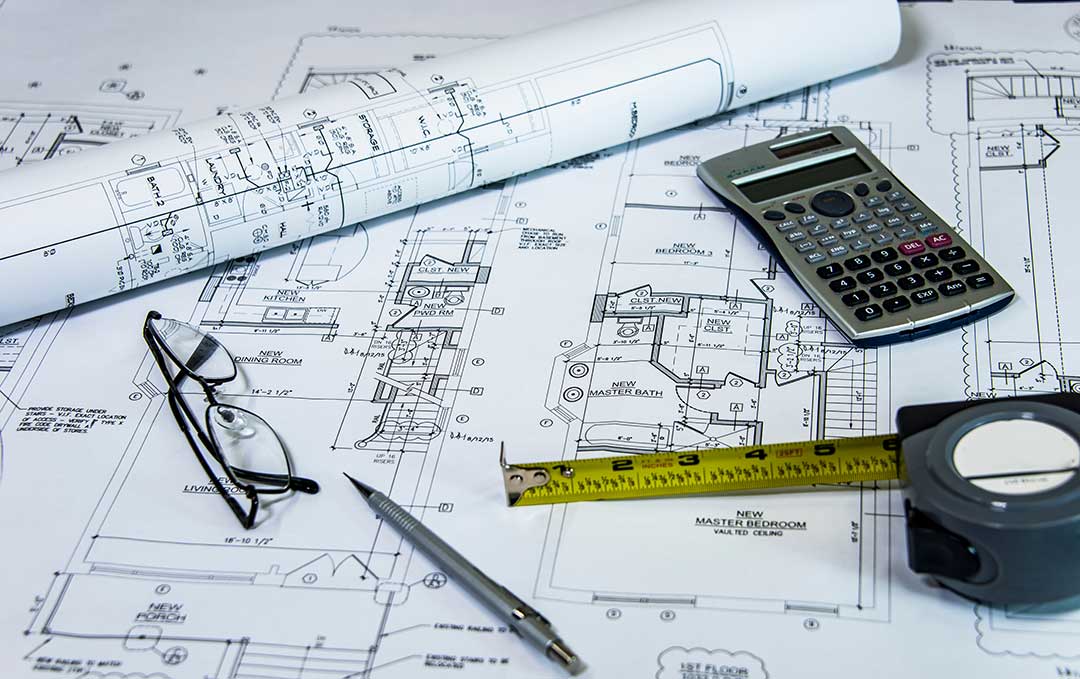
- Check that all plans, blueprints, and specifications are finalized and understood by everyone involved before construction begins.
- Maintain a written timeline with contingency plans for crucial stages.
Small, early missteps—like ordering windows to the wrong specifications or failing to schedule utility service—can have weeks-long ripple effects.
What’s Often Forgotten During the Final Walkthrough?
The final inspection before move-in is a critical step, but first-time homebuilders frequently gloss over details. Overlooking minor issues now makes them harder and more expensive to fix later.
Pay close attention to:
- Functionality of electrical sockets and switches in every room
- Plumbing fixtures for leaks or poor water pressure
- Adequate caulking, weatherproofing, and proper seals at windows and doors
- Hardware on cabinets and doors
- Grading and drainage around the foundation to direct water away from the home
Take notes, document any issues, and be prepared to address them promptly with your builder.
How Does Midland’s Growth Affect Neighborhood Choices and Infrastructure?
Rapid development over the past decade means some neighborhoods in the city have more mature infrastructure (like paved roads, municipal water lines, and fiber internet) while newer areas may be lacking or under construction.
When selecting a lot, check:
- Availability and reliability of utilities, including waste disposal and high-speed internet
- Status of public roads, sidewalks, and lighting
- Planned future development that could affect noise levels or property values
Sometimes, cheaper land or a new neighborhood means shouldering more responsibility for initial improvements.