

 See My Latest Article on HelloNation
What Are the First Steps Before Construction Begins?
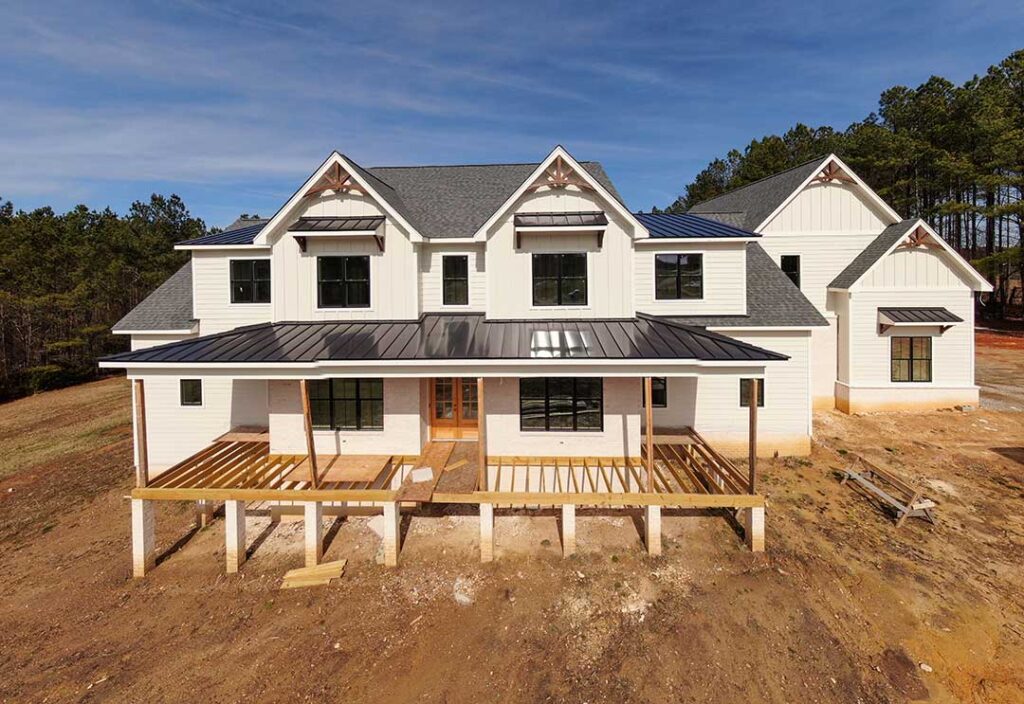
Starting a new home project in Midland, TX always begins with several critical pre-construction tasks. Even before breaking ground, local residents need to address planning, legal, and logistical requirements shaped by the region’s climate, soil, and zoning rules.
Common early steps include:
- Evaluating the land: Local soil in Midland often contains clay or caliche, which can affect foundation choices. A soil test may reveal how stable your future home’s base will be.
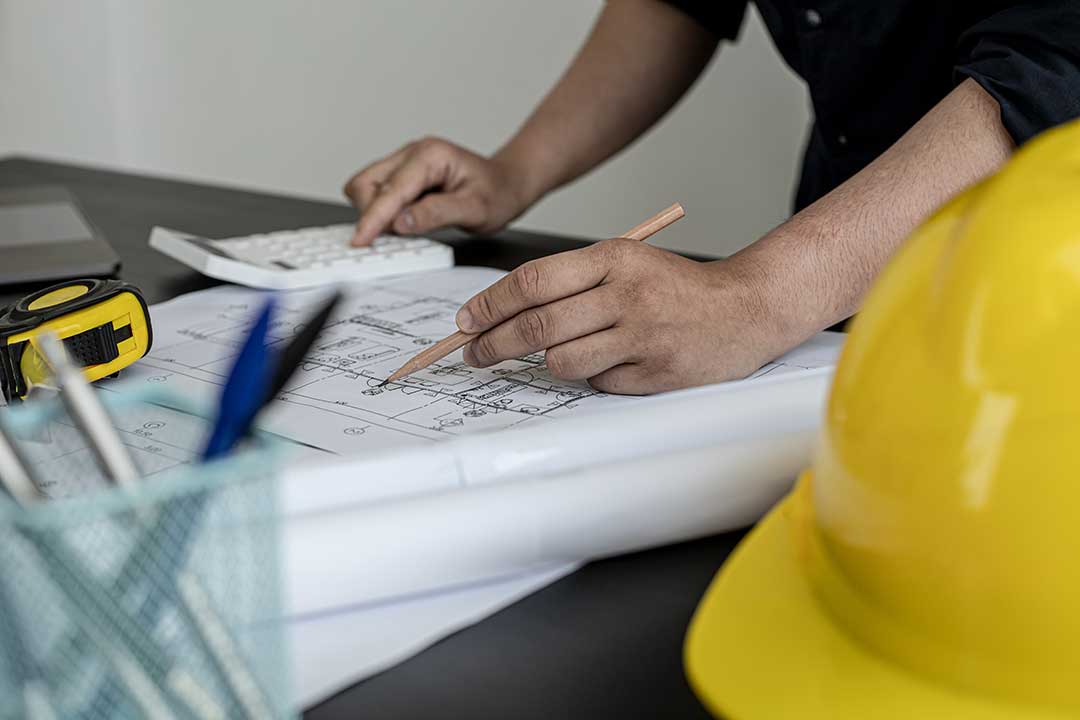
- Drawing up plans: This usually means working with a qualified architect or designer to create blueprints suitable for the lot and desired features, as well as suited for local temperature swings and dust-resistant needs.
- Obtaining permits: Building in the city requires approval for site plans, septic/sewer connection (if outside city water lines), and compliance with zoning restrictions unique to area neighborhoods.
Skipping these steps can lead to unexpected delays or costly changes, so careful upfront planning is crucial.
How Does Site Preparation Work in This Area?
Preparing the land in Midland is more than clearing brush. Area terrain can be rocky, and drainage is a big consideration due to sudden rainstorms common in the Permian Basin.
Site preparation generally involves:
- Clearing debris, brush, and rocks from the site
- Leveling the ground and, if needed, bringing in fill dirt to ensure proper elevation above flood-prone zones
- Marking the site for the exact layout of the home
- Installing temporary utilities, such as water and electric service, for use during construction
Proper grading is especially important locally to avoid water pooling near the foundation, which can lead to shifting or cracking over time.
What’s Involved in Laying the Foundation?
In Midland, slab-on-grade foundations are typical, given the area's expansive soils and flat terrain. The process starts after the lot is cleared and marked.
Steps often include:
- Excavating for the foundation
- Setting wooden forms in the shape of your house’s footprint
- Laying down a vapor barrier and steel rebar for reinforcement
- Pouring concrete and allowing it to cure, which is impacted by temperature and humidity levels; quick-drying in the summer can sometimes lead to cracks if not managed carefully
Pier and beam foundations are also occasionally seen, especially in older neighborhoods or where soil reports recommend them for stability.
How Are Framing and Structural Elements Built?
Once the foundation is solid, framing begins—the home’s skeleton. In the dry, windy climate of Midland, securing framing properly is essential.
This phase involves:
- Constructing exterior and interior walls, floors, and roof structures
- Using treated lumber to minimize warping from heat and low humidity
- Installing windows and doors, making sure they’re well-sealed to prevent West Texas dust intrusion
Inspectors may visit at this stage to verify all structural work follows code and safety standards.
When Do Roof, Windows, and Exterior Finishes Go On?
The next step is "drying in" the house, which means protecting it from the elements.
Work at this stage typically includes:
- Installing the roof—usually asphalt shingles or metal, both common in Midland due to sun and storm resistance
- Fitting windows and exterior doors for a tight seal
- Adding brick, siding, or stucco finishes, with attention to color and materials that reflect heat during the long summers
Getting this stage right in Midland helps prevent damage from wind-blown dust and minimizes cooling costs for the life of the home.
How Are Electrical, Plumbing, and HVAC Systems Installed?
With exterior protection in place, major systems can be safely installed inside the walls and ceilings.
Basic steps involve:
- Running electrical wiring to outlets, lights, and appliances, all following local code
- Plumbing for kitchens, baths, and laundry, with pipes rated for both extreme heat and rare freezing events
- Installing heating and air conditioning, fundamental in Midland’s variable climate—many homes require robust air conditioning and efficient heating for winter cold snaps
These areas are strictly regulated; inspections ensure everything is safe and ready for insulation and wall coverings.
What Happens During Insulation and Drywall Installation?
Insulation has a critical role in both comfort and energy efficiency, especially given Midland’s range of temperatures.
The process usually goes:
- Filling walls and attic spaces with fiberglass or spray foam, chosen for high R-value to keep cool air in and hot summer air out
- Inspecting for gaps that might let in dust or air drafts
- Hanging drywall panels, followed by taping, mudding, and sanding for a smooth finish
This stage forms the shell for the finishing touches of your home.
When Does Interior and Exterior Detailing Take Place?
After walls are completed, the visible parts of the home come together.
Common tasks include:
- Installing cabinetry, countertops, and trim
- Fitting plumbing fixtures, lighting, and appliances
- Painting walls and ceilings, often with colors chosen to reflect light and reduce heat absorption
On the outside, driveways, sidewalks, and landscaping are done last, often using gravel and xeriscaping to suit the local arid climate and conserve water.
What Are the Final Steps Before Move-In?
Final inspections and walkthroughs are key before a new home in Midland can be occupied.
Key wrap-up tasks are:
- City or county building inspections for safety and code compliance
- Punch list walkthroughs to correct any unfinished or imperfect details
- Thorough cleaning to remove dust or debris left from construction
Only after all approvals and finishing touches does a home become ready for residents.
What Are Some Overlooked Factors in Building Locally?
Some aspects unique to the local area can easily be overlooked:
- Adapting the home design for extreme sun and strong winds, which can cause long-term wear if ignored
- Designing for dust management, including air filters and entryway mudrooms
- Planning for well water and septic systems in outlying areas where city services are not available
- Scheduling work to avoid the hottest summer months, as intense heat can slow progress and affect material performance
Understanding and planning for these issues helps ensure a new home in Midland is comfortable, efficient, and built to last for area households.