

 See My Latest Article on HelloNation
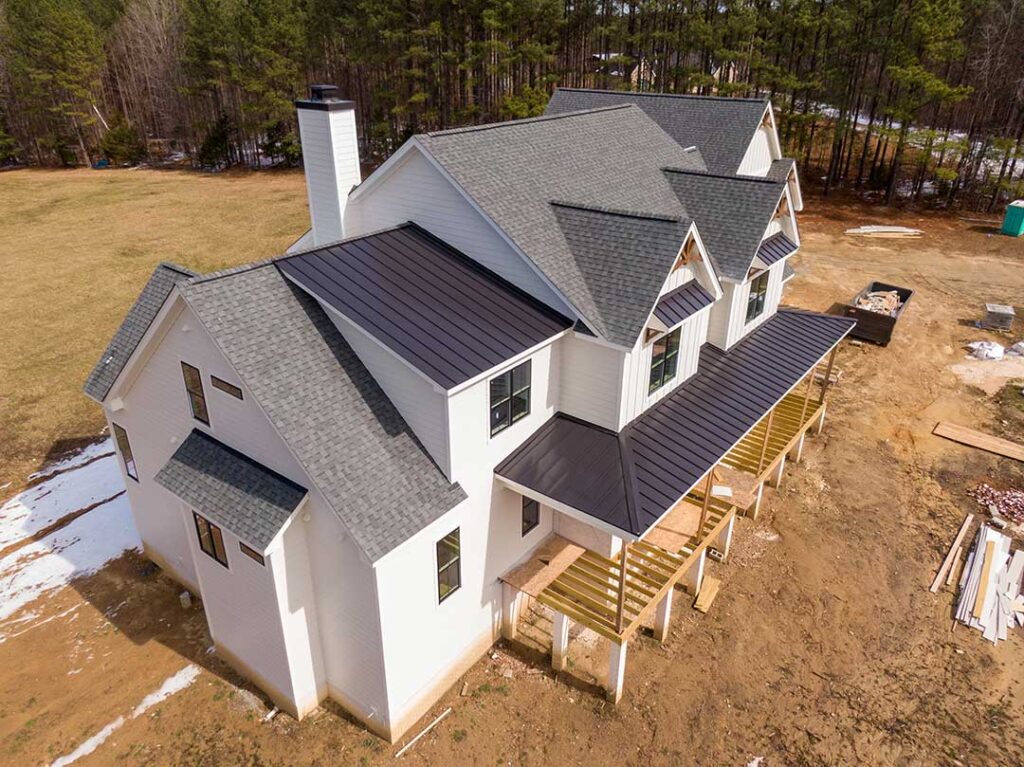
What is a home construction walkthrough?
A home construction walkthrough is a scheduled review of a newly built home before the final closing or move-in. It gives the buyer an opportunity to see how the home operates, identify unfinished or damaged items, ask questions, and understand maintenance responsibilities.
The walkthrough is not simply a tour. It is a practical inspection of the home’s visible finishes, systems, fixtures, safety features, and general condition. In many cases, a final walkthrough takes place shortly before closing, after most construction work is complete and cleaning has begun.
A separate orientation walkthrough may also occur earlier. That meeting often focuses on how to use the heating and cooling system, electrical panel, water shutoff, appliances, garage equipment, irrigation controls, and other features.
When does the walkthrough usually happen?
The final walkthrough generally occurs after construction is substantially complete but before ownership changes hands. The exact timing depends on the purchase agreement, lender requirements, inspection results, and whether any work remains.
A buyer may participate in several walkthroughs:
- An early walkthrough to review layout changes or major construction progress
- A pre-drywall review, before insulation and interior wall coverings hide wiring and plumbing
- A quality or orientation walkthrough before closing
- A final walkthrough shortly before signing documents
The final visit should be recent enough to reveal problems that may have developed after the main inspection. A leaking fixture, damaged flooring, missing hardware, or incomplete repair can appear during the days leading up to closing.
What should buyers bring?
A few basic items can make the walkthrough more useful:
- A copy of the purchase agreement, selections, and upgrade list
- Inspection reports or repair requests
- A phone or camera for documenting conditions
- A small flashlight
- A phone charger for testing electrical outlets
- Painter’s tape or removable labels for marking visible concerns
- Paper or a digital note-taking app
- Comfortable shoes and clothing suitable for unfinished areas
If possible, allow enough time to move through the home without rushing. A walkthrough may take an hour or longer, especially if the home has multiple levels, specialty systems, or a detailed repair list.
What areas should be checked?
Every room should be reviewed, including closets, the garage, exterior areas, utility spaces, and access panels. A room-by-room approach reduces the chance of overlooking a small but meaningful issue.
Interior finishes
Look at walls, ceilings, trim, doors, cabinets, countertops, flooring, and paint. Check for:
- Scratches, dents, chips, cracks, stains, or uneven surfaces
- Doors that rub, fail to latch, or swing unexpectedly
- Cabinet doors and drawers that do not align or close correctly
- Gaps around trim, countertops, sinks, tubs, and shower enclosures
- Missing shelves, knobs, handles, screens, or other listed features
- Flooring transitions that are loose, raised, or unfinished
Minor variations can occur in new construction, but visible damage or incomplete work should be recorded rather than assumed to be normal.
Plumbing and water drainage
Run water in sinks, tubs, and showers. Flush toilets and watch for slow drainage, leaks, loose fixtures, or inconsistent water flow. Check beneath sinks for moisture and confirm that hot and cold water are connected correctly.
Observe how water drains from showers and sinks. Standing water around a drain may indicate a slope or plumbing problem that should be addressed. Exterior hose connections and visible water lines should also be checked for leaks.
Electrical and lighting
Turn on each light fixture and test accessible outlets. Confirm that switches operate the expected lights and that ceiling fans, exhaust fans, dimmers, and exterior fixtures work as described.
Ground-fault protection is commonly used in areas exposed to water, such as bathrooms, kitchens, garages, and outdoor locations. Test buttons on accessible protective outlets only if the walkthrough instructions permit it, and confirm that power returns properly.
Do not remove electrical covers or attempt repairs during the walkthrough. Exposed wiring, unusual sounds, heat, or a burning odor should be treated as a safety concern.
Heating, cooling, and ventilation
The heating and cooling system should operate from the thermostat, and air should move through the intended registers. Ask how to replace filters, where the main equipment is located, and how to access emergency shutoffs.
Midland’s hot, dry climate can place heavy seasonal demand on air-conditioning equipment. It is useful to confirm that supply vents are unobstructed, return-air grilles are installed, and the thermostat responds correctly. Ask which maintenance tasks are considered routine and which conditions require attention.
Check bathroom exhaust fans, kitchen ventilation, attic access, and any other ventilation equipment. These systems help control moisture and indoor air quality.
What should be checked outside?
Exterior areas deserve the same attention as finished rooms. Walk around the structure and inspect siding, brick, stucco, paint, windows, doors, roof edges, vents, exterior lights, hose bibs, and visible utility connections.
Look for cracked or damaged materials, gaps around openings, loose trim, missing screens, and doors that do not seal. Confirm that exterior doors lock properly and that weatherstripping is present where expected.
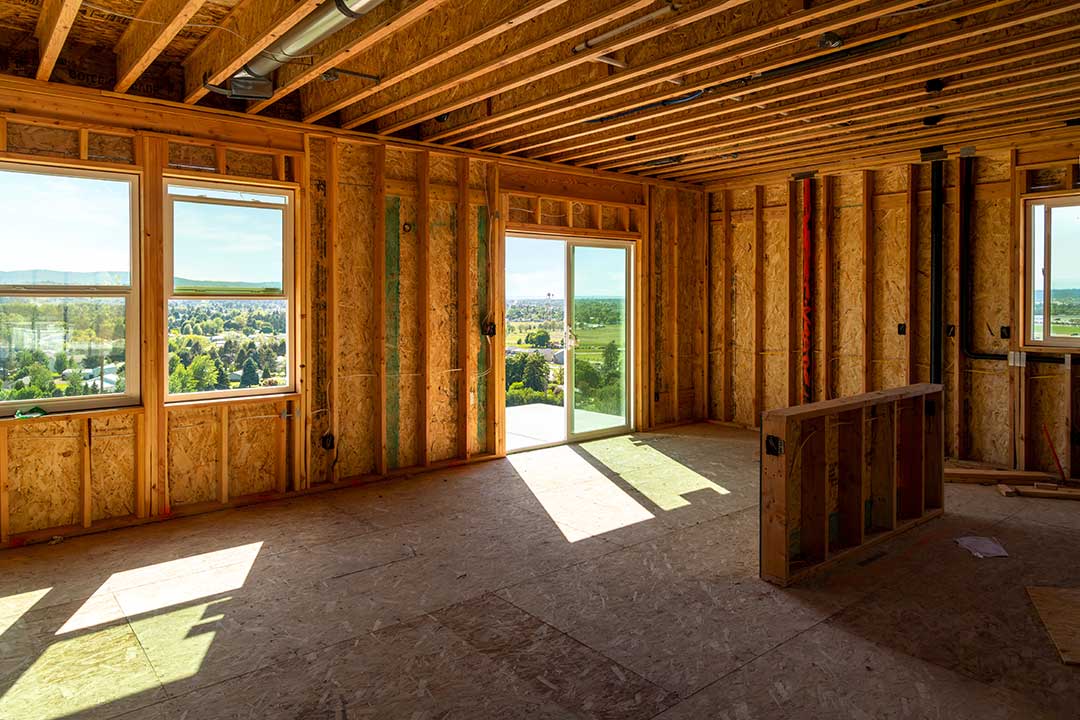
Drainage is especially worth observing in a new home. The ground should generally direct water away from the foundation rather than toward it. After rain, standing water near the structure, garage, walkways, or low portions of the lot may deserve further review. In dry conditions, grading can still be evaluated by looking at the slope and visible drainage paths.
In areas with expansive or shifting soils, water management around the foundation matters over time. Sprinklers, downspouts, hose use, and landscaping should not create repeated concentrated moisture beside the home.
How should unfinished or incomplete work be documented?
Every concern should be written down with its exact location and a clear description. “Kitchen issue” is less useful than “left cabinet door is misaligned and does not close.”
Photographs can help, especially for scratches, cracks, missing items, or exterior conditions. Marking a location with removable tape may help the construction team identify the item, but written notes should still be kept.
Separate findings into categories:
- Safety concerns
- Items that are damaged
- Items that are incomplete
- Items that do not match the agreed selections
- Items that require instructions rather than repair
Ask how each item will be handled, who will document it, and whether the issue must be corrected before closing or recorded for later completion. Do not rely only on verbal promises.
What questions should be asked during the walkthrough?
Useful questions focus on operation, maintenance, warranties, and unfinished work:
- Where are the main water, gas, and electrical shutoffs?
- How is the heating and cooling filter changed?
- Which breakers control major systems?
- How are exterior drainage and irrigation features operated?
- What materials should be used to clean the floors, counters, and fixtures?
- Which repairs remain open, and when are they expected to be completed?
- What documentation, manuals, keys, remotes, and access codes will be provided?
- Which changes or repairs are covered under the purchase agreement or applicable warranty?
A buyer should also ask whether any equipment has special operating limits. For example, a water softener, tankless water heater, backup power system, smart thermostat, or specialty appliance may require instructions that are not obvious from the controls.
What if problems are found?
Finding issues during a walkthrough does not automatically mean the home is unsafe or defective. New construction commonly includes punch-list items, but those items should be identified, documented, and assigned a clear path toward completion.
More serious concerns include active leaks, nonfunctioning heating or cooling, exposed electrical hazards, missing safety equipment, major drainage problems, or conditions that differ substantially from the agreed plans. Those matters may affect the timing of closing and should be handled according to the purchase agreement.
The buyer should review the written punch list carefully before signing final documents. A home may look complete while still having missing hardware, incomplete exterior grading, incorrect fixtures, or systems that have never been fully tested.
What happens after the walkthrough?
After the walkthrough, the builder or construction representative typically creates or updates a punch list. Some items may be corrected before closing, while others may be scheduled afterward under the terms of the agreement or warranty.
Keep copies of the walkthrough notes, photographs, repair list, manuals, and completion confirmations. Once the home is occupied, monitor systems during normal use. Some problems, such as drainage behavior, temperature consistency, intermittent electrical issues, or water penetration, may not become apparent during a short visit.
A careful walkthrough helps establish the home’s condition at a specific point in time. It also gives residents a clearer understanding of the systems they will maintain through the hot summers, dry conditions, wind, dust, and occasional heavy storms that affect households in Midland.