

 See My Latest Article on HelloNation
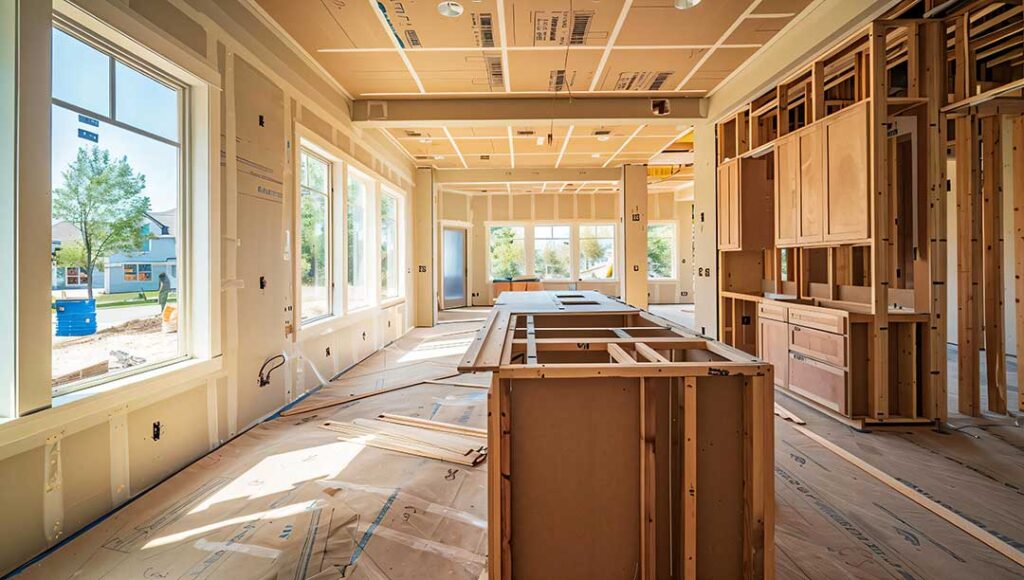
How Much Do People Usually Spend to Build a House in Midland, TX?
Most people building a home in Midland, TX can expect costs ranging broadly, but a realistic local estimate is typically between $130 and $200 per square foot for a mid-range home, not counting the purchase of land. That means a modest 2,000-square-foot home generally requires a budget between $260,000 and $400,000, with prices flexing higher for custom designs, premium materials, or upgrades. These figures can surprise first-time home builders, so understanding what drives these numbers is essential.
What Affects the Cost of a New Home in the Area?
Direct building costs make up only part of a new home’s total price. In Midland, labor, materials, land, and municipal requirements are major contributors:
- Land prices are significant, especially for in-demand neighborhoods or larger lots. Vacant lots may run from $30,000 to $80,000 or more, depending on location and size.
- Permit fees and zoning rules in Midland add both paperwork and cost, including city permitting, impact fees, and utility connection charges. These local requirements can add $5,000–$15,000 or beyond.
- Labor expenses fluctuate as the construction industry experiences cycles of worker shortages. Carpenters, electricians, plumbers, and other trades all command local market rates.
- Material costs—especially for lumber, concrete, roofing, and finishes—have seen swings in recent years. The regional climate, marked by heat and drought, may also influence choices in insulation, HVAC systems, and roofing materials.
Is the Design or Layout a Major Factor in Price?
Yes—floor plan size, features, and complexity play a major role in Midland homebuilding costs. Simple, single-story layouts are typically less expensive to construct than multi-story or highly customized floor plans. Adding features like extra bathrooms, a home office, covered patios, or energy-efficient upgrades will drive up both labor and materials spending.
For example:
- Open floor plans require fewer interior walls but may demand special supports.
- Large front porches and outdoor living spaces need additional concrete and shade solutions, especially valued locally for outdoor comfort during hot months.
- Three-car garages or expanded storage areas also raise costs and may require extra foundation or slab work.
What About “Hidden” Construction Expenses?
Many families planning a build overlook expenses that emerge after construction has started or right before move-in:
- Site preparation: Clearing, leveling, and foundation work, especially if land needs grading or soil requires stabilization.
- Utility hookups: Bringing in water, sewer, electricity, natural gas, internet, and other services often costs more for rural plots than infill lots.
- Driveways, sidewalks, fences, and landscaping: Many budgets leave out these finishing touches, which can add $10,000–$30,000, depending on tastes and lot size.
- Construction contingency: Experts recommend reserving at least 10% of the total building budget to manage weather delays, material shortages, or unexpected changes during the build.
How Do the Area’s Climate and Regulations Add Costs?
Midland’s dry, hot, and sometimes windy climate calls for particular attention to durable roofing, UV-resistant windows, high-efficiency HVAC, and insulation. City regulations also add cost layers:
- All new homes need to meet codes for energy efficiency and fire safety.
- Foundation designs must address soil movement and shifting, which is a common local challenge.
- Storm drainage, wind bracing, and other safety features may be needed, adding labor and engineering costs.
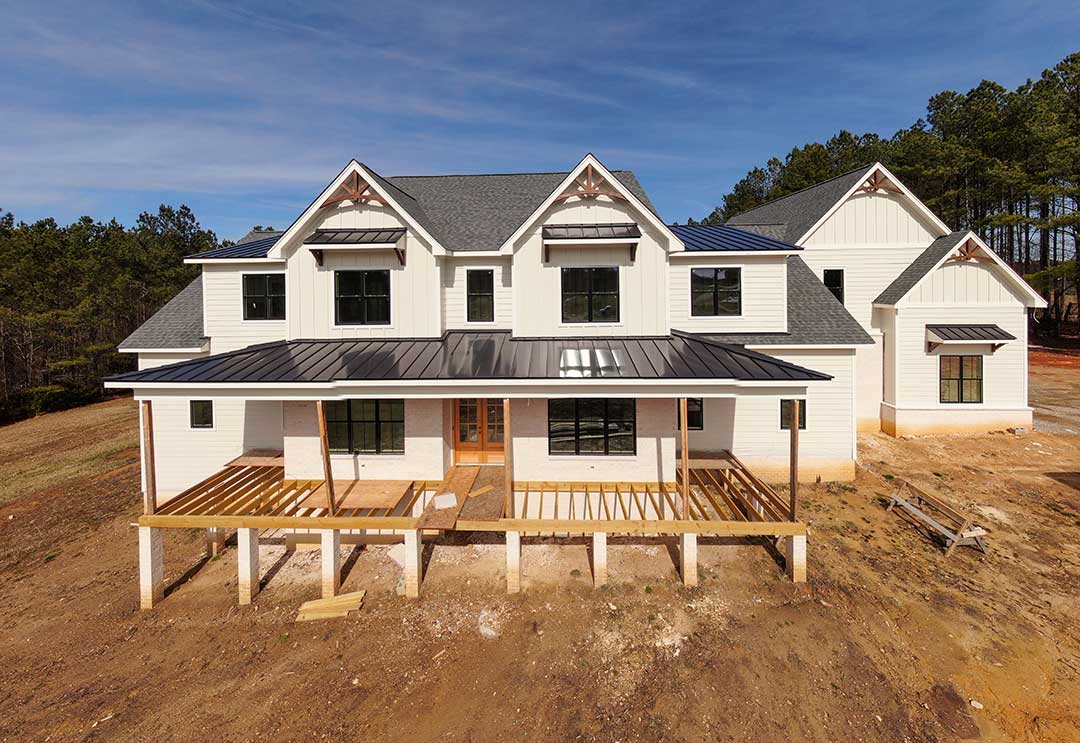
Can Building Be Cheaper Than Buying an Existing Home?
Often, building new allows for more control over features, but it is rarely the cheaper of the two paths. Existing homes can sometimes cost less per square foot, especially if prices have stabilized or if inventory is high. However, those homes may need updates, renovations, or energy upgrades, which add to their total cost over time. New construction offers the opportunity for modern systems and personal customization, but the up-front outlay is usually higher.
Are There Common Misconceptions About Building Costs Locally?
Yes—in Midland, some persistent myths can trip up new builders:
- Believing DIY work can save significantly: While tackling minor finishing tasks is possible, large-scale self-builds encounter local code compliance and inspection challenges.
- Assuming quoted prices are “all in”: Many estimates exclude land, permits, utilities, or site work—always confirm what’s covered.
- Underestimating timelines: Delays, weather events, or material shortages can extend the process and increase short-term living expenses (such as renting).
What Questions Should Area Residents Ask Before Starting a Project?
Getting an accurate sense of building costs involves asking clear questions—especially about what’s included:
- What site preparation does this specific lot require?
- Are all utility connection and permit fees included in your estimate?
- How do material costs compare locally this season?
- What contingencies or change order policies are in place for weather, shortages, or plan revisions?
- Are there regulatory updates or inspection requirements that might affect costs or cause project delays?
By considering the full range of direct and indirect costs, asking clear questions, and planning for the region’s unique conditions, future homeowners can prepare realistic budgets and minimize the surprises that sometimes come with building in the local environment.