

 See My Latest Article on HelloNation

Why Should You Interview Home Builders?
Interviewing home builders is the most reliable way to assess their experience, reliability, and compatibility with your needs. The right builder will set expectations clearly, communicate openly, and have a strong track record suited to the local environment and regulations. By asking focused questions, you can avoid costly misunderstandings or stress during the building process.
What Kind of Experience Do You Have With Homes Built for the Local Climate?
Start by asking how builders handle Midland’s arid conditions, temperature swings, and soil challenges. Local experience matters because the region’s clay-rich soils, scarce rainfall, and frequent high winds influence foundation systems, insulation choices, and exterior finishes.
- Builders familiar with the area can explain how they address soil movement, water drainage, and thermal protection.
- Ask for examples of homes they've built in local subdivisions, particularly those with similar design or size requirements.
Are You Licensed, Insured, and Up-to-date With Local Building Regulations?
Before construction, it’s essential to verify credentials and compliance. Builders must hold current licensing, liability insurance, and workers’ compensation coverage for all on-site workers. Midland’s building permits and inspection requirements are enforced by city code.
- Request to see copies of licenses and insurance certificates.
- Ask how they manage city inspections and remedy any failed inspections to ensure work meets all municipal codes.
Can You Share References From Past Local Projects?
Direct references from homeowners in Midland provide insight into work quality, reliability, and follow-through. Trustworthy builders remain transparent about their past projects and can connect you with residents willing to discuss their experience.
- Ask about the process from groundbreaking to final inspection, including communication, delays, and post-move-in support.
- Don't rely only on photos; first-hand stories reveal more about their responsiveness and professionalism.
What Is Included in Your Standard Contract—and What Costs Extra?
Home construction contracts can vary widely in what’s included versus what’s considered an "upgrade." Clarifying this up front helps avoid surprise charges or unplanned expenses.
- Review a sample contract line by line and have them explain material allowances, included fixtures, finishes, landscaping, and appliances.
- Ask about the protocol for changes mid-project. Will you get written change orders? How are overages handled and priced?
How Do You Handle Construction Timelines and Delays?
Delays can happen due to weather, supply chain issues, or inspection requirements, especially in areas with specific climate or regulatory factors. Ask for a realistic project timeline, not just a “best case” scenario.
- What are the average build times for homes of your size and style?
- How do you communicate about unexpected setbacks or scheduling issues?
- Do they provide written progress updates or use construction management software for transparency?
Who Will Supervise the Construction, and How Often Will I Be Updated?
Knowing who’s on-site ensures quality and safety remain consistent. Ask about site supervision, day-to-day oversight, and communication protocols.
- Find out if there’s a dedicated project manager, how often they visit, and how to reach them if issues arise.
- Discuss options for scheduled site visits or walkthroughs to review progress in person.
How Do You Address Changes or Issues Once Construction Has Started?
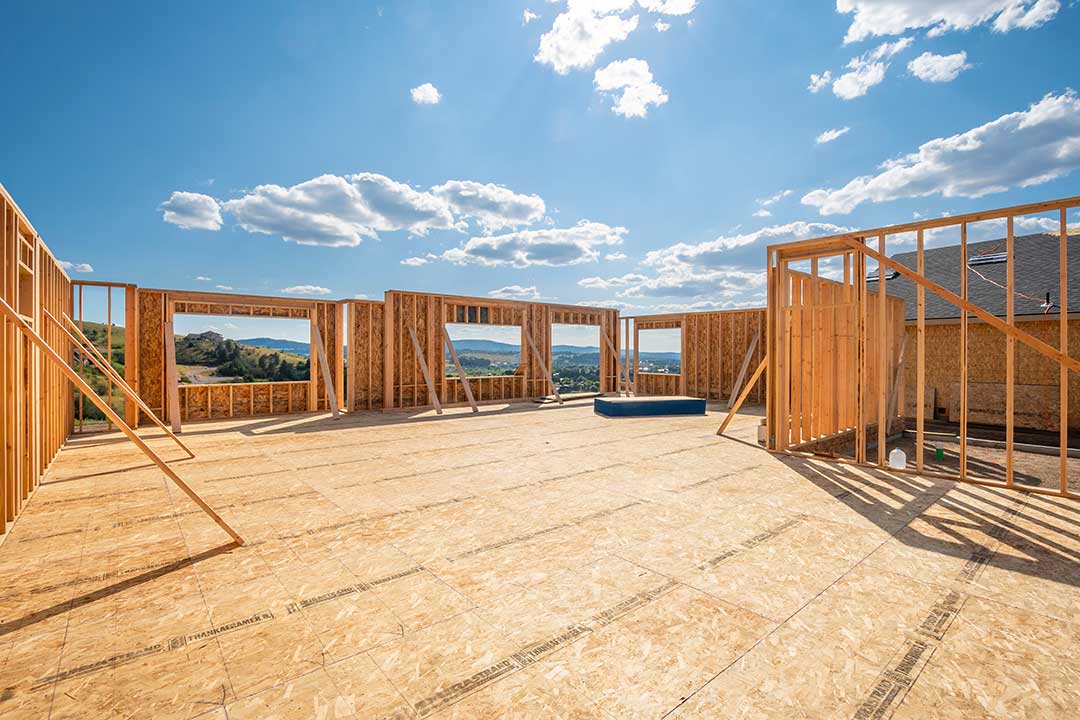
Even thoughtfully planned projects sometimes require changes. It’s best to know the procedure ahead of time.
- What’s the process for submitting changes or finding solutions to problems that arise?
- Are changes documented and approved in writing?
- How are disagreements over quality, materials, or schedule resolved—especially if expectations differ?
What Warranty Coverage Do You Offer, and What Does It Include?
A warranty gives peace of mind for both structural and cosmetic issues. Builders typically offer different timeframes for various parts of the home.
- Ask what is covered (ex: foundation, roof, systems like HVAC and plumbing, finishes).
- Clarify response times for warranty repairs and whether service requests are handled directly or through third-party contractors.
- Request copies of any written warranty to review before signing.
What Are Common Misunderstandings People Have When Working With a Builder?
Many local residents underestimate how foundation movement, utility hookups, or local building codes can affect the final cost or schedule. Additionally, some homeowners assume all pricing is “turn-key,” when many contracts leave out certain site improvements, landscaping, fencing, or window treatments as extras.
- Seek clear, documented explanations for all assumed inclusions versus upgrades.
- Beware of vague promises; insist on itemized, written agreements instead of verbal assurances.
Do You Work With Trusted Local Subcontractors and Suppliers?
Quality workmanship depends not just on the builder, but on the reliability of trade partners and material suppliers. Ask if the builder uses long-standing relationships with reputable subcontractors.
- Request information about how subcontractors are selected and managed.
- Inquire about supply chain stability, especially if you have specific materials or finishes in mind for your build.
By covering these questions before any construction agreement, area residents can confidently approach the home building process knowing their builder’s expertise, standards, and communication style match their vision and requirements.