

 See My Latest Article on HelloNation
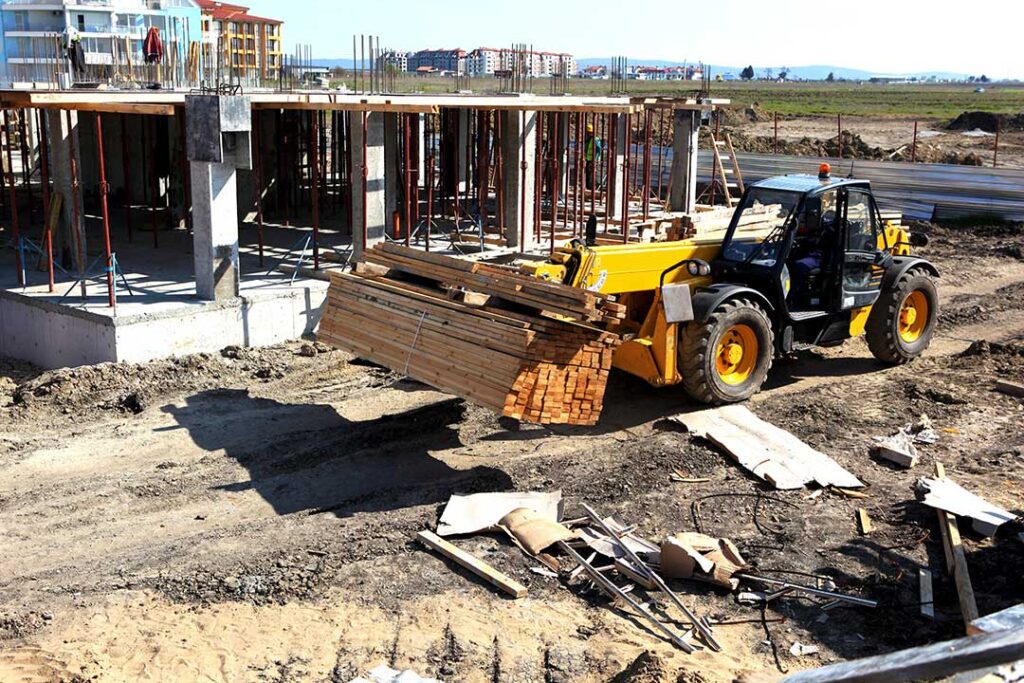
How Long Does It Take to Build a New Home in Midland, TX?
Most new home builds in Midland, TX take between 6 to 12 months. This range can shift depending on factors such as home design, lot preparation, weather delays, and permit approvals. While some smaller homes are finished in as little as five months, larger custom residences or builds with complex features can require more time.
What Steps Are Involved, and How Long Does Each Take?
The building process involves several phases, each with its own timeline:
- Planning and Design: 1–3 months. This includes working with architects, choosing a floor plan, and making design selections.
- Permits and Approvals: 1–2 months. Local development offices review and approve building plans, which can take longer during busy seasons.
- Site Preparation and Foundation: 2–4 weeks. Preparing the site, pouring the foundation, and basic utility work usually go smoothly unless weather creates delays.
- Framing: 1–2 months. The frame shapes the house structure and can move quickly, though rainy stretches may halt progress.
- Mechanical, Electrical, and Plumbing (MEP): 1–2 months. Installing critical infrastructure (wiring, pipes, ducts) may take more time in larger homes or if inspection schedules are tight.
- Insulation and Drywall: 2–4 weeks. Interior walls and insulation are installed, then given time to dry and settle.
- Interior Finish and Fixtures: 1–3 months. Cabinets, flooring, paint, and final fittings are added. Any delays in material delivery can stretch this stage.
- Final Inspection and Punch List: 1–4 weeks. The last phase includes walkthroughs, touch-ups, repairs, and all required municipal inspections.
Why Do Home Construction Timelines Vary in This Area?
Timelines in Midland can be influenced by environmental and administrative factors unique to the region. For example:
- Climate: Dry, windy conditions usually help with faster construction, but rare storms or severe heat can delay progress.
- Permitting Process: The pace of local review boards and the specific requirements for new neighborhoods might stretch the pre-build timeline.
- Labor Market: Availability of skilled trades fluctuates. When housing demand surges in the community, waits for electricians, plumbers, or inspectors can increase.
- Supply Chains: Material shortages, especially for items not stocked locally, can create sporadic delays—an issue, for instance, with specialty windows or roofing.
Do Custom-Designed Homes Take Longer?
Custom homes almost always require more time than production or tract homes. This is due to:
- Personalization and design meetings
- Unique materials or features sourced for the homeowner
- Greater number of changes requested after initial plans
- More inspections if designs affect structural or mechanical plans
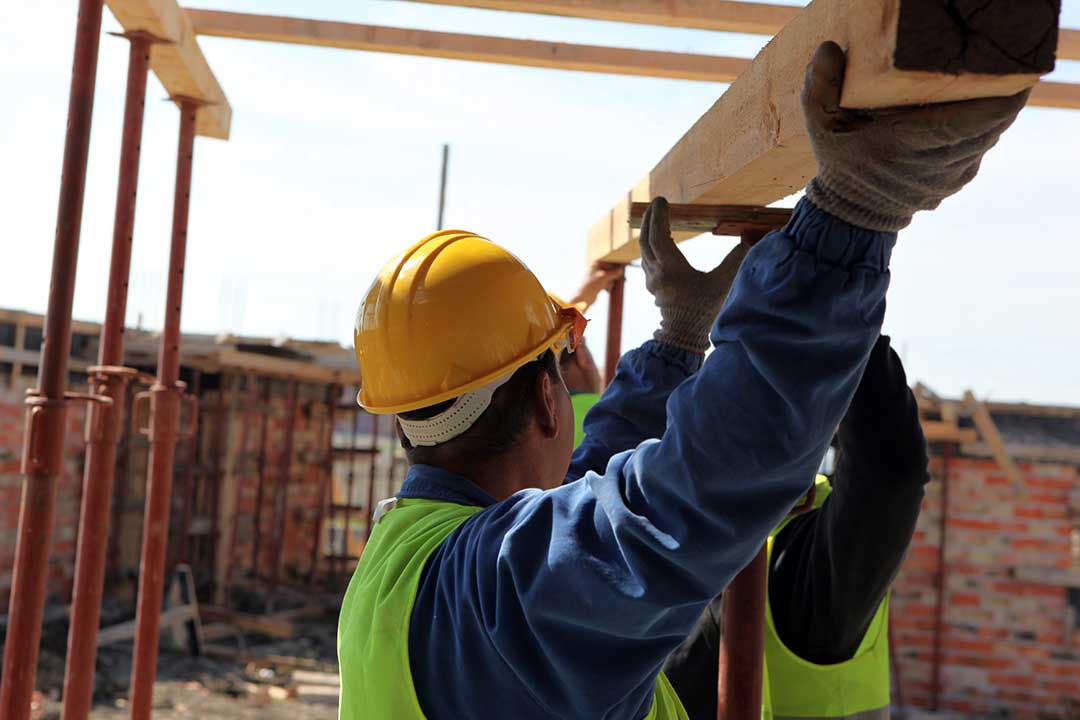
In the city, custom homes tend to average closer to one year from lot purchase to move-in. Production homes in larger developments may move more quickly—sometimes under seven months—because builders can standardize parts of the process.
Can You Speed Up the Process?
Certain steps are out of anyone’s control, but clear decisions and timely sign-offs can help minimize unnecessary delays. Local residents often find that keeping selections and changes to a minimum during construction is the simplest way to maintain momentum. Planning ahead for weather impacts—such as avoiding major site work in mid-summer’s highest heat—can also help.
What Common Delays Should Residents Expect?
Even well-planned builds in Midland can face slowdowns. Typical causes include:
- Permit or inspection backlogs
- Changes to plans during construction
- Shortages of materials or labor
- Weather events that temporarily halt work
- Utility connections (gas, electricity, water) taking longer than scheduled
Allowing for some flexibility in your planned move-in date helps manage expectations, especially if building during a peak construction season.
How Do Local Regulations Affect the Timeline?
City and county building codes shape each project’s schedule. All new homes must pass several municipal inspections, covering safety, energy codes, and zoning. The local permitting office also sets requirements for grading and stormwater management due to the area’s dry climate and potential for flash flooding.
Waiting for permits, inspections, or re-submitting plans for approval adds time up front but is required for legal occupancy and to avoid problems down the line.
Final Thoughts on Planning Your Build
Each home’s construction schedule is unique, but most local residents find that a realistic estimate ranges from six to twelve months. Choosing familiar plans, making timely decisions, and understanding local permitting can help keep the timeline on track. Even with the best preparation, patience and flexibility are key while navigating each stage of the process.